So you just bought your first car and you are itching to make it yours. Maybe you want more power, a meaner exhaust note, or just a look that turns heads in the parking lot. The good news? You do not need a $50,000 budget or a professional shop to get started with car modifications. At NLP Performance in Tampa, FL, we help first-time builders every single day, and the most common question we hear is: where do I even start?
This guide breaks down the best first mods for beginners in the exact order you should tackle them. We will walk you through each mod category, explain why it matters, what it costs, and link you directly to parts you can grab from our catalog. Whether you are driving a Honda Civic, a Mustang, a Camaro, or a daily-driven truck, these upgrades apply across the board.
Before You Mod: The Maintenance-First Rule
Here is something every seasoned builder will tell you: do not bolt on performance parts to a car that needs basic maintenance. Before you spend a dime on mods, make sure your oil is fresh, your coolant is topped off, your brakes are not grinding, and your tires have life left. A cold air intake on a car with a clogged fuel filter is just wasted money.
At NLP Performance, we always recommend a quick pre-mod checklist:
- Fresh oil and filter change
- New spark plugs if over 60,000 miles
- Check all fluid levels (coolant, brake fluid, transmission fluid, power steering)
- Inspect brake pads, rotors, and tire tread depth
- Fix any check engine lights or stored codes
- Replace worn belts and hoses
Once your car has a clean bill of health, you are ready to start building.
Mod 1: Drop-In Air Filter – The Easiest First Upgrade ($40–$70)
If you have never turned a wrench on your car before, a drop-in performance air filter is the perfect starting point. It takes about 10 minutes to install, requires zero tools on most cars, and gives your engine slightly better airflow without any risk. Think of it as replacing your restrictive paper filter with a high-flow, reusable one.
Brands like AEM DryFlow make drop-in filters for virtually every vehicle. They are washable and reusable, so you buy once and clean it every 50,000 miles instead of buying disposable filters. You will not gain massive horsepower here – expect 1–3 HP – but you will notice slightly improved throttle response and you will never buy another air filter again.

AEM DryFlow Drop-In Air Filter – washable and reusable for life
Browse all drop-in air filters at NLP Performance →
Mod 2: Cold Air Intake System – Your First Real Performance Mod ($250–$450)
Once you have gotten your feet wet with a drop-in filter, the next natural step is a full cold air intake (CAI) system. This is the mod that every car enthusiast remembers as their first real bolt-on. A cold air intake replaces your entire factory airbox with a larger-diameter tube and high-flow filter, pulling cooler air from outside the engine bay. Cooler air is denser, which means more oxygen per combustion cycle, which means more power.
Realistic gains? Expect 5–15 horsepower depending on your vehicle and the system. But the real payoff is the sound – that deep, throaty intake growl under acceleration is what hooks most beginners for life.


Injen Evolution intake – another great beginner-friendly option
Shop all cold air intake systems →
Mod 3: Cat-Back Exhaust System – Sound and Power ($500–$1,300)
If the intake is what hooks you, the exhaust is what makes you a lifer. A cat-back exhaust system replaces everything from the catalytic converter back to the tailpipe tips. It is called "cat-back" because it leaves your catalytic converter untouched, which keeps your car street-legal and emissions-compliant in most states.
The benefits are threefold: better exhaust flow (which frees up 5–20 HP depending on how restrictive your stock system is), weight reduction (aftermarket systems use thinner-wall stainless steel or aluminum), and of course, that sound. Nothing transforms the character of a car like a quality exhaust note.

Axle-Back vs Cat-Back: Which Should a Beginner Choose?
| Feature | Axle-Back | Cat-Back |
|---|---|---|
| Price Range | $300–$700 | $500–$1,300 |
| HP Gain | 2–5 HP | 5–20 HP |
| Sound Change | Moderate | Significant |
| Install Difficulty | Easy (30 min) | Moderate (1–2 hrs) |
| Best For | Budget / Sound only | Best overall value |
Our recommendation for beginners: start with a cat-back system from brands like MBRP, Borla, or AWE Tuning. You get more power, better sound, and the install is still very doable in your driveway with basic hand tools.

Borla stainless steel cat-back exhaust – built to last a lifetime
Browse all exhaust systems at NLP Performance →
Mod 4: Suspension Upgrades – Transform How Your Car Handles ($80–$500)
Here is a truth that most new car builders overlook: suspension is where the biggest driving improvement happens. You can add 50 horsepower, but if your car wallows through corners on worn-out shocks and saggy springs, it will not feel fast. A suspension upgrade tightens up body roll, improves cornering grip, and gives your car a more aggressive stance.
For beginners, we recommend starting with performance shocks or struts from brands like Bilstein or Belltech. These are direct bolt-on replacements for your factory units – same mounting points, same ride height – but with better valving that controls body motion more precisely. If you want a lower stance, lowering springs from Eibach or Belltech paired with matching shocks will drop your car 1–2 inches while dramatically improving handling.


Bilstein B4 strut assembly – OE-quality upgrade for daily drivers
Mod 5: Upgraded Lighting – See Better and Look Better ($100–$700)
Upgrading your headlights is one of those mods that is both practical and cosmetic. Modern LED projector headlights from brands like AlphaRex put out dramatically more light than your factory halogens, which means better visibility at night and a much more modern, aggressive look.
For most vehicles, this is a direct plug-and-play swap. You unbolt the old headlight assembly, unplug the wiring harness, plug in the new one, and bolt it up. Total install time is usually under an hour per side. The difference is immediately noticeable – both in how much better you can see and in how much sharper your car looks.

Shop all performance lighting →
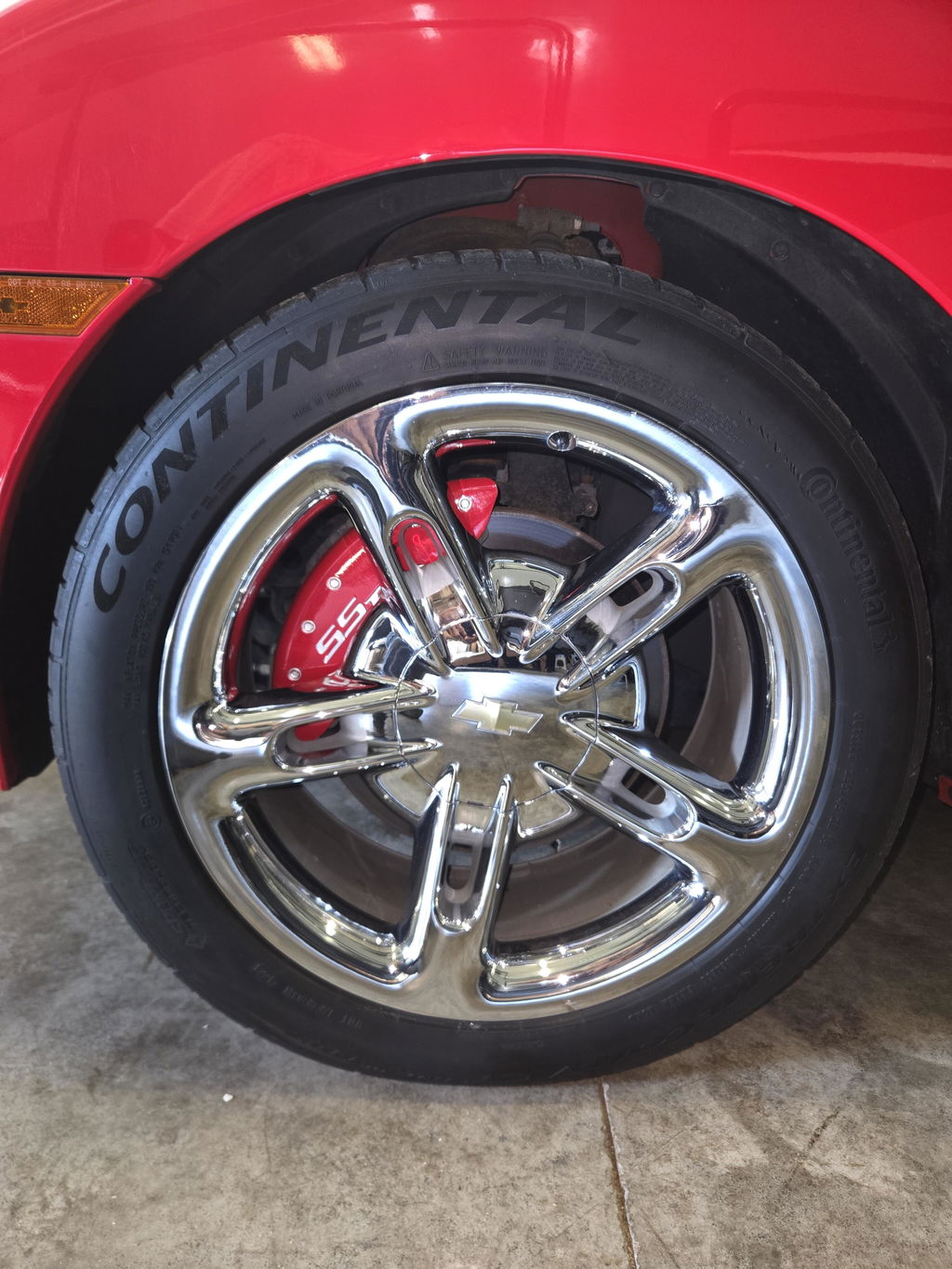
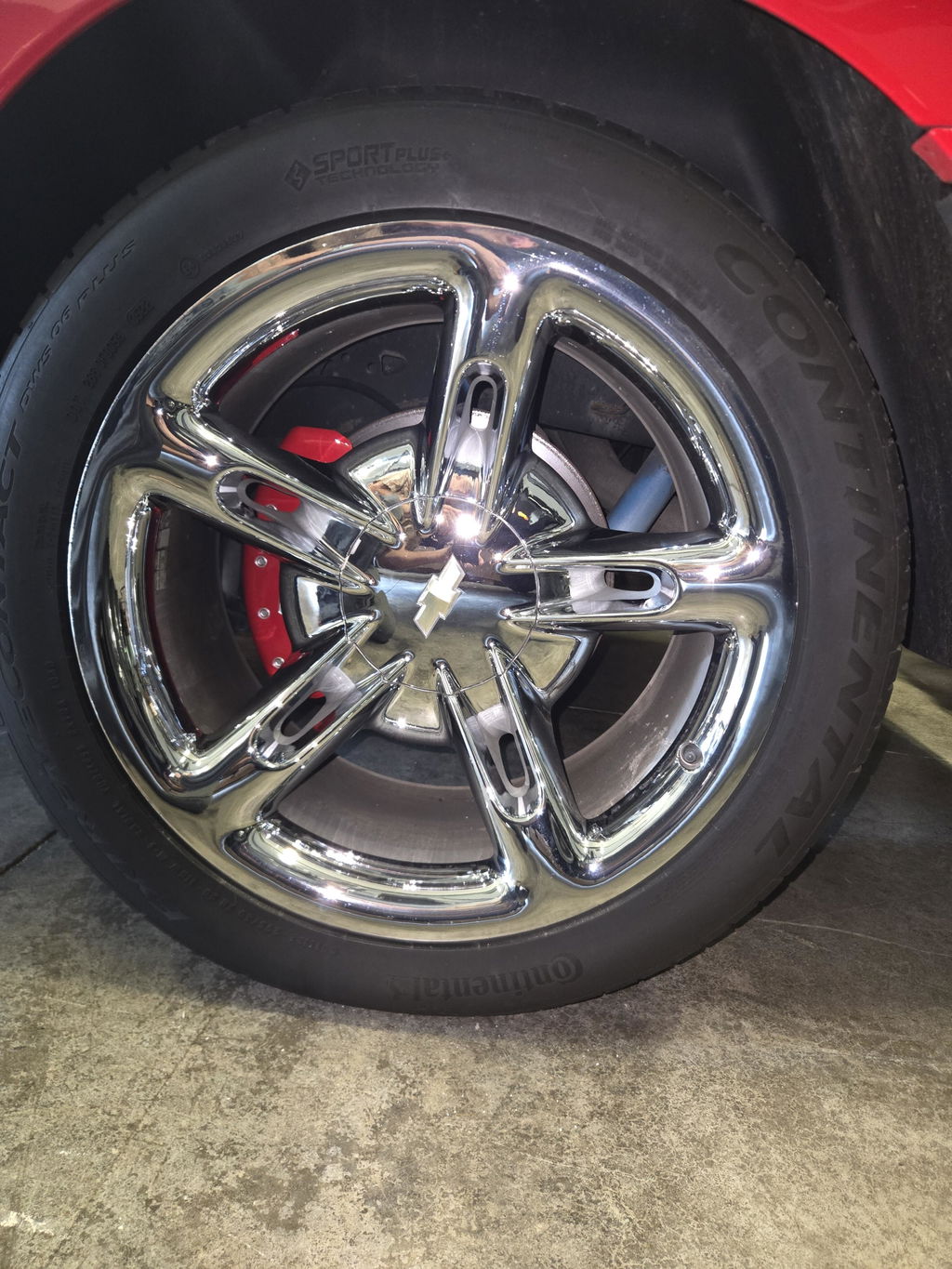
Mod 6: Wheels – The Upgrade That Changes Everything ($150–$800 per wheel)
Nothing transforms the visual presence of a car like a set of aftermarket wheels. But wheels are not just cosmetic – lighter wheels reduce unsprung weight, which improves acceleration, braking, and handling. A set of forged or flow-formed wheels from a reputable brand like BBS can shave 15–25 pounds off each corner compared to heavy factory cast wheels.
When shopping for your first set of aftermarket wheels, pay attention to three things: bolt pattern (must match your car), offset (determines how the wheel sits in the fender), and width (wider wheels allow wider tires for more grip). If you are not sure what fits your car, the team at NLP Performance in Tampa can help you figure it out.

BBS CC-R forged wheels – lightweight performance and timeless style
Mod 7: Brake Upgrades – Stop Faster and Safer ($25–$900)
This is the mod that most beginners skip, and it is the one they should not. If you are adding power, you need to add stopping power too. Upgraded brake pads are the simplest and most cost-effective brake upgrade. Performance pads from StopTech use compounds that grip harder and resist fade better under heat, which matters when you are driving aggressively or towing.
The beauty of brake pads as a beginner mod is the price – you can get a quality set of semi-metallic performance pads for as little as $25–$70. If you want to go further, a big brake kit with larger rotors and multi-piston calipers is the ultimate upgrade, though that is more of an intermediate-level project.

StopTech C-Tek performance brake pads – affordable stopping power
Shop all brake upgrades at NLP Performance →
What Order Should You Mod Your Car? The Beginner Build Path
Every build is different, but after helping hundreds of first-time builders at our Tampa shop, here is the order we recommend for most cars:
Recommended Build Order
This order works because each mod builds on the last. Better airflow in leads to better airflow out. A stiffer suspension pairs perfectly with lighter wheels. And once the performance is dialed in, lighting and cosmetic upgrades tie the whole look together.
What Mods Should Beginners Avoid?
Just as important as knowing what to do is knowing what not to do when you are starting out. Here are the mods we tell first-time builders to hold off on:
Great First Mods
- + Drop-in air filter
- + Cold air intake
- + Cat-back exhaust
- + Performance brake pads
- + Suspension shocks/springs
- + Wheels and LED lighting
Wait Until You Have More Experience
- – Turbo or supercharger kits on NA engines
- – Engine swaps
- – Custom ECU tuning (without professional dyno)
- – Nitrous oxide systems
- – Welding or fabrication projects
The key principle is reversibility. Every mod on the "great first mods" list can be unbolted and your car returned to stock. Forced induction, engine swaps, and heavy fabrication projects are permanent (or nearly so) and carry real risk of damaging your engine if done incorrectly. Master the basics first, then level up.
How Much Does It Cost to Start Modding Your Car?
One of the biggest concerns for new builders is budget. The good news is you do not need to do everything at once. Here is a realistic breakdown of what a complete beginner build costs when you tackle one mod at a time:
| Mod | Budget Range | DIY Difficulty | Time to Install |
|---|---|---|---|
| Drop-In Air Filter | $40–$70 | Very Easy | 10 min |
| Cold Air Intake | $250–$450 | Easy | 30–45 min |
| Cat-Back Exhaust | $500–$1,300 | Moderate | 1–2 hours |
| Performance Shocks | $80–$500 | Moderate | 2–3 hours |
| LED Headlights | $100–$700 | Easy | 45–60 min |
| Brake Pads | $25–$70 | Easy | 1 hour |
| Aftermarket Wheels (set of 4) | $600–$3,200 | Easy | 30 min |
Total for a solid beginner build: $1,500–$6,000 spread out over time. Most of our customers at NLP Performance start with the intake and exhaust (around $600–$800 total) and add the rest as their budget allows.
Frequently Asked Questions
What is the first mod I should do to my car?
A drop-in performance air filter is the easiest and most affordable first mod. It takes 10 minutes to install, costs $40–$70, and teaches you the basics of working under the hood. From there, a cold air intake system is the natural next step for a noticeable performance and sound improvement.
Will car mods void my warranty?
Under the Magnuson-Moss Warranty Act, a dealer cannot void your entire warranty just because you installed aftermarket parts. They can only deny a specific warranty claim if they can prove your modification directly caused the failure. A cold air intake will not void your transmission warranty, for example. That said, bolt-on mods like intakes, exhausts, and suspension are the safest choices for warranty preservation.
What are the best project cars for beginners?
The best beginner project cars have large aftermarket support and affordable parts. Top choices include the Honda Civic (any generation), Ford Mustang (S197 or S550), Subaru WRX, Mazda Miata, Chevy Camaro, and any GM truck (Silverado/Sierra). These platforms have thousands of bolt-on parts available and huge online communities for support.
Can I mod my car myself or do I need a shop?
Every mod in this guide can be done in your driveway with basic hand tools. You will need a socket set, wrenches, a jack and jack stands, and some patience. YouTube has detailed install videos for virtually every part on every car. Start with the easy stuff (air filter, intake) and work your way up to suspension and exhaust as your confidence grows.
How much horsepower can I gain with bolt-on mods?
With a cold air intake and cat-back exhaust combined, most naturally aspirated cars see 10–25 horsepower gains. Turbocharged cars tend to see even larger gains from the same mods – sometimes 20–40 HP – because the turbo amplifies the benefit of improved airflow. Adding a tune on top of bolt-ons can push total gains to 30–60 HP on turbo platforms.
What tools do I need to start modding my car at home?
A basic starter toolkit for car mods includes: a metric and SAE socket set (3/8 and 1/2 drive), combination wrenches, a torque wrench, a floor jack, jack stands, a set of pliers, flathead and Phillips screwdrivers, and penetrating oil like PB Blaster. Budget about $150–$250 for a quality starter tool set that will last years.
Ready to Start Your First Build?
From your first air filter to a full bolt-on build, NLP Performance has the parts, the brands, and the experience to help you build the car you have always wanted.
Shop Performance PartsFree shipping on select brands | Located in Tampa, FL | Questions? Email info@nlpperformance.com